
Understanding the Sales Process
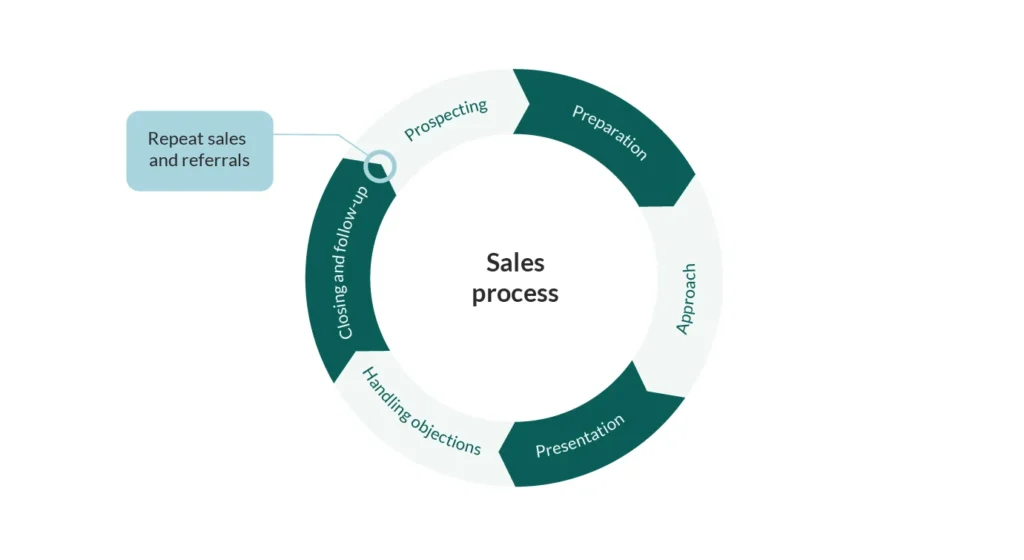
Many businesses struggle to answer the question, “Is it a sales process…” because the concept is often misunderstood. At its core, a sales process is a structured series of repeatable steps that guide salespeople from identifying potential leads to closing deals and maintaining client relationships. It is not just a collection of tasks or daily sales activities, but a strategic framework that ensures consistency across your sales team. Companies without a clear sales process often see unpredictable results, missed opportunities, and uneven performance among team members. Understanding the difference between a real process and ad hoc routines is the first step in transforming sales outcomes. A proper sales process brings clarity to each stage of the customer journey, allowing reps to focus on what truly matters: solving client problems and generating revenue. Without this structure, even the most talented salespeople can struggle to scale their success.
A well-defined sales process also helps organizations measure performance and optimize resources. By having clear stages, sales leaders can identify bottlenecks, track conversion rates, and forecast revenue more accurately. It also provides a foundation for training and onboarding new salespeople, ensuring they understand not just what to do, but why each step matters. Businesses often confuse “activity” with a process, assuming that calling prospects or sending emails automatically constitutes a process. The reality is that these activities must be organized in a strategic, repeatable framework to truly qualify as a sales process. Asking “Is it a sales process…” requires examining whether every step serves a purpose and leads toward a predictable outcome.
Key Elements That Define a Sales Process
A sales process is built on several critical stages that every salesperson should follow. These stages provide a roadmap for interacting with prospects and converting them into loyal customers. Common stages include:
- Prospecting: Identifying potential leads who fit your ideal customer profile.
- Qualification: Determining which leads have genuine interest and buying potential.
- Needs Analysis: Understanding the client’s pain points, goals, and priorities.
- Solution Presentation: Offering products or services that address the client’s specific needs.
- Handling Objections: Addressing concerns and removing barriers to purchase.
- Closing: Converting opportunities into confirmed sales.
- Follow-Up: Maintaining relationships for repeat business or referrals.
Each of these steps is interconnected, and missing one can weaken the entire process. For example, inadequate prospecting can lead to unqualified leads, wasting time and reducing conversion rates. Conversely, thorough qualification ensures that reps spend time on opportunities with the highest probability of success. Asking “Is it a sales process…” becomes easier when you examine whether these stages exist and are consistently applied. A repeatable process allows teams to identify strengths and weaknesses, providing a foundation for ongoing improvement. Without these structured elements, a sales approach can feel chaotic and inefficient, even if individual reps occasionally achieve results.
Signs That You Might Not Have a True Sales Process
Even experienced sales teams often operate without a formal process, relying instead on habits or intuition. Here are clear indicators that your current approach may not qualify as a structured sales process:
- Sales activities vary dramatically between team members.
- Performance metrics are inconsistent and unpredictable.
- Revenue forecasts are unreliable due to lack of standardized stages.
- Sales reps rely heavily on personal charm rather than proven methodology.
- There are no clear benchmarks to measure success at each stage.
If any of these signs resonate, it’s time to evaluate your workflow. Without a true sales process, businesses can struggle to scale, onboard new hires, or maintain customer satisfaction. Even with highly skilled reps, results are less predictable and harder to replicate. A structured process ensures that success is repeatable and measurable. Answering “Is it a sales process…” requires identifying whether your current workflow creates consistent, reliable results for your business.
The Difference Between Process and Routine
Many salespeople confuse routine with a process, assuming that regular activity equals a structured workflow. A routine consists of habitual tasks, such as daily calls or sending emails, without a clear roadmap for progression. A sales process, on the other hand, is deliberate, systematic, and repeatable, with defined stages and measurable outcomes. Routines may provide temporary momentum, but they rarely lead to predictable results or scalable growth.
For example, a rep who spends hours on unqualified leads may appear busy but is not following a true sales process. In contrast, a well-designed process ensures each action moves the prospect closer to a purchase decision. Businesses should critically examine whether their activities are guided by strategy or simply performed out of habit. Misidentifying routines as a process can lead to wasted resources, missed opportunities, and frustration among team members. Asking “Is it a sales process…” helps differentiate between busywork and intentional, goal-oriented sales activity.
Tools and Technology to Support a Sales Process
Technology plays a critical role in ensuring that a sales process is followed and optimized. Customer Relationship Management (CRM) platforms are central to managing leads, tracking interactions, and monitoring progress through each stage of the process. Sales enablement tools provide content, templates, and automation to streamline communications and improve efficiency. Analytics tools allow teams to measure conversion rates, identify bottlenecks, and make data-driven improvements.
For example, automation can ensure timely follow-ups and reminders, preventing leads from falling through the cracks. Reporting dashboards provide visibility into performance metrics, helping managers identify areas for improvement. Using these tools, businesses can answer “Is it a sales process…” with greater confidence, as technology enforces structure and accountability. Properly implemented tools also enhance collaboration between sales and marketing, ensuring alignment on messaging, targeting, and lead management. Without these technologies, even a well-designed process can fail due to inconsistent execution or human error.
Benefits of Having a Well-Defined Sales Process
A clearly defined sales process delivers tangible benefits for both sales teams and the overall business. First, it increases predictability, allowing organizations to forecast revenue with confidence. Second, it provides a roadmap for onboarding new team members, reducing ramp-up time and improving early performance. Third, it enhances customer experience by delivering consistent communication and a professional approach at every stage. Fourth, it aligns marketing and sales efforts, ensuring leads are properly nurtured and handed off. Fifth, it creates a foundation for performance measurement, allowing managers to identify gaps and provide targeted coaching.
Additionally, a structured process supports scaling. When processes are repeatable, organizations can expand their teams without sacrificing consistency or results. Employees benefit from clear expectations, reducing stress and uncertainty. A well-designed sales process also encourages continuous improvement, as metrics and feedback guide refinements to the workflow. Answering “Is it a sales process…” with a strong “yes” means your team operates efficiently, consistently, and strategically.
Common Mistakes When Implementing a Sales Process
Even with the best intentions, companies can struggle to implement a sales process effectively. Common mistakes include:
- Overcomplicating the workflow, making it difficult for reps to follow.
- Ignoring customer feedback, which can reveal gaps or friction points.
- Failing to adapt the process to changes in the market or industry trends.
- Insufficient training, leaving reps unprepared to execute each stage.
- Relying too heavily on tools without ensuring strategic alignment.
These errors can undermine even the most well-thought-out processes, creating frustration and inefficiency. Businesses must ensure the process is simple, practical, and adaptable while maintaining rigor in execution. Regular review and iteration are essential for staying competitive. By understanding these pitfalls, sales leaders can avoid common traps and ensure their process delivers consistent results.
How to Evaluate If Your Sales Approach Qualifies as a Process
Evaluating your current sales approach requires asking critical questions:
- Are there clearly defined stages that all team members follow?
- Can results be measured and tracked at each stage?
- Are KPIs consistently applied and reviewed?
- Is the approach repeatable across different reps and teams?
- Does the process incorporate feedback and evolve over time?
If the answers reveal gaps, it may be time to refine or redesign your process. Metrics such as conversion rates, lead response times, and deal velocity provide tangible evidence of whether the process is functioning. Transitioning from informal routines to a structured process requires deliberate effort, including training, technology adoption, and leadership support. Ultimately, a true sales process is not static; it evolves as the business grows and markets shift. Asking “Is it a sales process…” is a practical exercise in ensuring your sales approach is strategic, measurable, and scalable.
Frequently Asked Questions (FAQ)
How long does it take to establish a sales process?
Establishing a sales process can take anywhere from a few weeks to several months, depending on team size, complexity, and market. The key is to start with a clear framework and iterate based on results.
Can a sales process work for small businesses or startups?
Absolutely. Even small teams benefit from structure. A simplified, repeatable workflow ensures efficiency, consistent messaging, and better forecasting.
What’s the difference between a sales process and a sales methodology?
A sales methodology is the philosophy or approach guiding how reps sell, such as solution selling or consultative selling. The sales process is the step-by-step roadmap that operationalizes that methodology.
How often should a sales process be reviewed or updated?
At a minimum, review the process quarterly. Market changes, customer expectations, and product updates may require more frequent adjustments to remain effective.
What role does the sales manager play in maintaining the process?
Sales managers are responsible for training, monitoring, coaching, and ensuring adherence. They use metrics and feedback to refine the process and remove obstacles for their teams.
Takeaway
Answering the question “Is it a sales process…” requires more than checking boxes or following routines. A true sales process is structured, measurable, repeatable, and adaptable. It transforms individual efforts into predictable results, aligns teams, improves customer experience, and supports scalable growth. Companies that focus on building and maintaining a strong sales process equip their teams to perform consistently and strategically, turning opportunities into long-term success. Technology, metrics, and disciplined execution amplify the benefits, but the core lies in creating a system that works for your team and evolves with your business.